


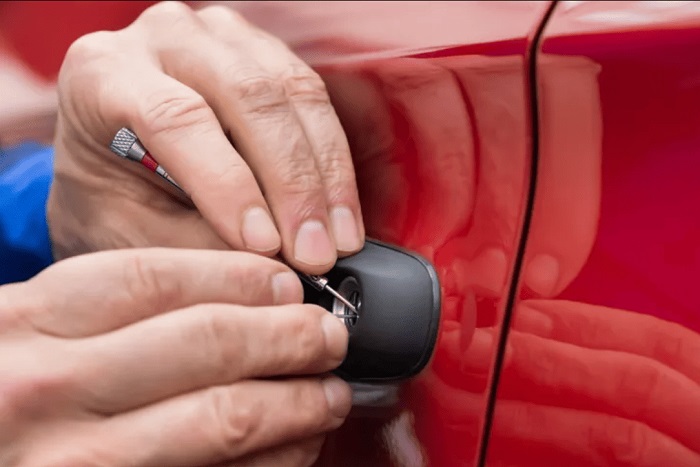
10 Dec Rules and requirements for safe and legal car opening
Car opening is a procedure that requires adherence to certain rules and requirements to prevent damage and comply with the law. Correct execution of this procedure is especially important when accessing a vehicle without the keys is required, for example, in the event of lost or broken locks.
For those interested in learning more about the process, more information about car opening on https://solidcarlocksmith.ca/ will help you understand the main stages, features, and legal aspects of this activity. Adherence to established requirements ensures the safest and most effective car opening.
Legal Framework and Mandatory Procedures for Car Opening
Mandatory conditions for car opening include the availability of relevant documents confirming the need for intervention, as well as the owner’s consent or a court order. Unauthorized vehicle opening is considered a criminal offense and carries penalties in the form of fines or other sanctions.
Required Procedures for Opening a Vehicle
- Obtaining Owner Consent: If circumstances permit, it is necessary to obtain the owner’s written consent. In the absence of consent, the procedure is carried out only by court order or other legal grounds.
- Documentation of the process: It is necessary to keep a record of the opening, detailing the reasons, date, time, and content of the work performed.
- Use of special tools: Opening must be carried out using professional tools that do not cause additional damage to property.
- Conducting an examination: After opening, a technical examination may be required to determine the cause and circumstances of the damage or the condition of the vehicle.
Selection and use of special tools for dismantling body components
The right tools allow you to carefully and damagelessly separate body components, minimizing the risk of unwanted scratches and deformations. In addition, the use of specialized equipment facilitates faster completion of work and reduces the workload of specialists.
Main Types of Tools for Dismantling Body Components
- Pull-out levers – designed for the careful removal of panels and decorative elements without damaging them.
- Flat-head and Phillips-head screwdrivers – used for removing fasteners and trim.
- Polyurethane hammers and mallets – used when gentle beating of parts or removal of box-shaped elements is required.
- Hydraulic and mechanical dismantling presses – allow you to carefully separate connected body elements or body parts without damaging them.
- Special spatulas and plastic spatulas – indispensable for separating elements secured with adhesives or plastic latches.
Safe Use Rules Tools
- Before starting work, read the operating instructions for the selected tools.
- When dismantling, use personal protective equipment: gloves, goggles, and masks.
- Tools must be in good condition, free of damage and cracks.
- Work with tools smoothly and carefully, avoiding excessive force.
- If necessary, use special brackets and clamps to stabilize vehicle components.
High standards and technical requirements for professional equipment are important to ensure efficiency, safety, and compliance with vehicle opening regulations. Using the appropriate tools allows specialists to perform their work with maximum care, avoiding damage and speeding up the process. Continuously updating and improving equipment is the key to professionalism and customer trust.
No Comments