


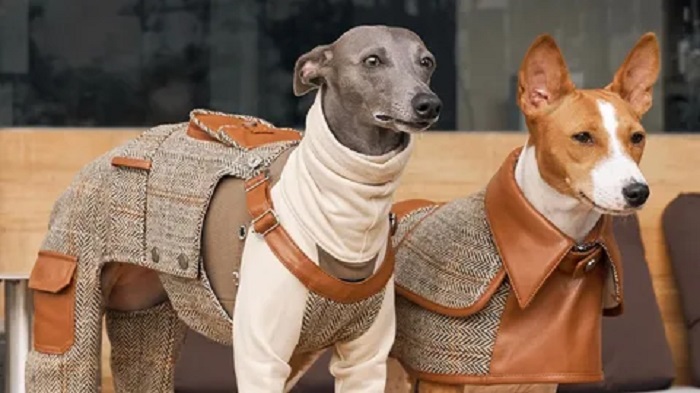
18 Aug Luxury dog clothing wins repeat buyers when fit comes before the photoshoot
The first sign of a poor match is often blamed on the product: not enough power, an awkward fit, inconsistent output or disappointing service life. In premium dog apparel, the cause is frequently the surrounding setup. A dog can look perfectly dressed while standing still and still be uncomfortable on a walk. Chest depth, shoulder reach and belly clearance reveal more than a breed label.
Test the messy Monday-morning workflow
The avoidable mistake is choosing by back length alone while overlooking chest depth, shoulder movement, closures, toileting clearance and fabric recovery. Before comparing products, sketch the surrounding system: available space, incoming material or information, the people using it, the busiest normal day and the cost of a poor result. This turns a vague preference into a brief that another person can verify.
Seen this way, the decision becomes smaller and clearer instead of turning into a comparison of every available feature. A good conversation should narrow the choice, not add more impressive-sounding features.
Where buyers get caught
- Chest and neck allowance: For chest and neck allowance, ask what is adjustable after delivery and what would require replacement or outside service. That distinction changes both downtime and the real cost of ownership.
- Leg opening and shoulder mobility: Leg opening and shoulder mobility should be explained in the language of the operator, not only the language of the specification sheet. A practical instruction is easier to repeat and audit.
- Closure placement and adjustability: Use comfortable indoor layering as the reference point for closure placement and adjustability. It gives the supplier a concrete setting and makes a later acceptance discussion far less subjective.
- Fabric softness and wash behavior: Check fabric softness and wash behavior together with closure placement and adjustability; reviewing either item alone can hide a compromise that appears only when the complete setup is running.
- Weather, layering and toileting clearance: Ask for the normal range of weather, layering and toileting clearance, then ask what happens just outside it. The second answer often reveals how gracefully the product handles everyday variation.
Small breeds between standard sizes, special-occasion outfits and comfortable indoor layering may all use products from the same category, but they do not place the same demands on design, setup or support. Rank the five points above for the intended application; do not give them equal weight merely because they appear in the same list.
A quick scenario check
Picture the product in small breeds between standard sizes. Now change the setting to special-occasion outfits. The specification may be unchanged, but the priority, operator behaviour and acceptable compromise can move considerably. Finally consider comfortable indoor layering: what would have to be adjusted, documented or supported for the same choice to remain sensible? Walking through those three situations is a useful way to uncover an assumption that a generic comparison misses.
A sensible next conversation
Bring the real application, the top risks and the unanswered questions when speaking with luxury dog clothing. Ask which parts of the brief are routine, which require adaptation and what should be verified before the final commitment.
A strong decision is not the option with the longest specification sheet. It is the one whose behaviour, limits and support fit the work closely enough that the team can use it with confidence. Keep the brief specific, test the difficult parts and preserve the evidence behind the approval.
No Comments