


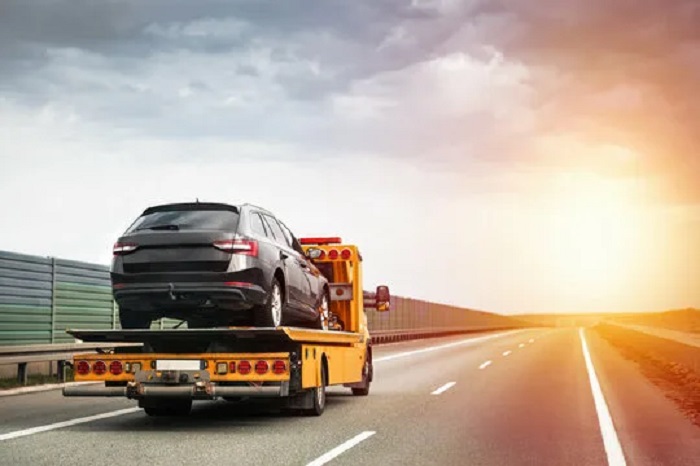
10 Dec A practical guide to proper vehicle towing and helpful tips
Vehicle towing is an important process that requires knowledge of the rules and proper technique. Improper actions can result in damage to the vehicle or fines. In this article, we’ll cover the basic steps and tips to ensure a safe and trouble-free towing. For more information, visit https://mtstowing.ca/ to learn more about towing.
Effective Methods for Towing a Car in Emergency Situations
Effective towing requires proper preparation and the use of appropriate methods. Below are basic recommendations and techniques to ensure a safe and quick towing.
Towing Methods and Tips
Using a special tow rope or the winch of an equipped vehicle is one of the most reliable towing methods. Before beginning the procedure, ensure the rope is securely attached and there are no obstructions. When using a winch, ensure it is in good working order and has sufficient power to move your vehicle.
Step-by-step towing instructions:
- Ensure safety: turn off your hazard lights, put on a reflective vest, and set up a warning triangle.
- Look around and determine the safest towing route, avoiding dangerous areas and obstacles.
- Use a rope to secure your vehicle to a stable support or a vehicle capable of towing it.
- Begin pulling slowly, maintaining control and avoiding sudden jerks to avoid damaging the vehicle or losing control.
- After towing, ensure the vehicle is in good working order and is safe in its new location.
Use professional assistance – in complex situations, it is best to contact towing specialists who have specialized equipment and experience. Auto repair shops and roadside assistance services are ready to quickly and safely select the optimal method for your situation.
Proper preparation for the towing process: necessary tools and documents
Before starting the towing process, it is important to prepare properly to ensure the safe and efficient process. Proper preparation includes gathering all necessary documents and tools, as well as inspecting the vehicle’s condition.
This will help avoid delays and potential problems on the road or when processing documents with special services.
Necessary Tools for Towing
- A tow truck or transport trailer is the primary means of safely moving a vehicle.
- Cable or tie-down straps – for securing the vehicle to the flatbed or in the back of the vehicle during transport.
- Toolkit – wrenches, screwdrivers, and other tools for temporarily troubleshooting or securing the vehicle if necessary.
- Safety equipment – gloves, beacons, reflective forks, and warning signs to ensure road safety.
Required Documents for Towing
- Vehicle Registration Certificate (VRC) – confirmation of the vehicle’s ownership and technical specifications.
- Compulsory Medical Insurance Policy – to cover any potential insurance claims during transportation.
- Registration Certificate – confirms ownership and registration of the vehicle.
- Towaway Route Plan – if required, for coordinating the route with the relevant authorities.
- Additional Permits – if necessary, such as permits for the transportation of cargo or specialized vehicles.
Step by Step: Safely Approaching and Securing the Vehicle on the Tow Truck
Before approaching the tow truck, it is important to ensure the safety of yourself and others. Make sure there are no pedestrians or other vehicles at the scene. If necessary, turn on the hazard warning lights to warn other road users. Approach the tow truck smoothly and carefully, avoiding sudden braking and maneuvers.
Properly securing your vehicle to the tow truck is essential for its safe transportation. Before you begin, ensure the tie-down area is well prepared and clear of any obstructions.
Steps for Safely Approaching and Securing Your Vehicle
- Approaching the tow truck: Approach the loading area slowly and precisely. Use signs and mirrors to monitor your surroundings. Try to drive parallel to and level with the platform to facilitate loading.
- Lifting/Hitching the Vehicle: If using a power lift, start the engine or use the manual drive to carefully lift the vehicle onto the platform. If necessary, secure the wheels with straps or chains. /li>
- Vehicle Securing: Securely fasten the vehicle with lashing straps, chains, or lashing hooks. Ensure tension and complete latching to prevent movement during transport.
- Safety Check: After securing, check all lashings for tightness. Ensure the vehicle is securely fastened and does not move even with a slight jolt or shaking of the platform.
Only after completing all the above steps can you safely begin transporting the vehicle. It is important to remember to continually check the lashings during the journey to avoid any untoward situations.
Specifics of Towing Vehicles with Automatic Transmissions
Towering a vehicle with an automatic transmission requires special attention and proper procedures to avoid damage and ensure safety. The main difference is the need to properly prepare the vehicle before loading it onto the tow truck and to follow the correct procedure during transport.
Failure to follow these recommendations may result in serious damage to the transmission, engine, or other vehicle components, as well as create a hazard for others and the tow truck driver.
Basic Recommendations and Tips
- Vehicle Preparation: Before towing, be sure to place the shifter in MILEAGE (P) or Park mode and secure the brake system.
- Do not use the handbrake: It is recommended to disengage the handbrake during transport to avoid damage to it or locking the wheels.
- Proper Securing: Ensure the vehicle is securely secured to the tow truck platform using special straps and towing hitches.
- Specialized Equipment: Use tow trucks with platforms or hooks designed for automatic transmissions to avoid damage to the transmission during Loading.
- Planning the trajectory: When lifting and lowering the vehicle, avoid sudden movements and tilting to avoid damage to the transmission.
Towering vehicles with automatic transmissions requires following certain procedures and careful handling. Proper preparation, using the right equipment, and following the correct sequence of steps will help avoid damage and ensure safety during transport.
By contacting professionals, you can be sure that your vehicle will be towed in the safest possible condition, adhering to all recommendations and operating guidelines for automatic transmissions.
No Comments